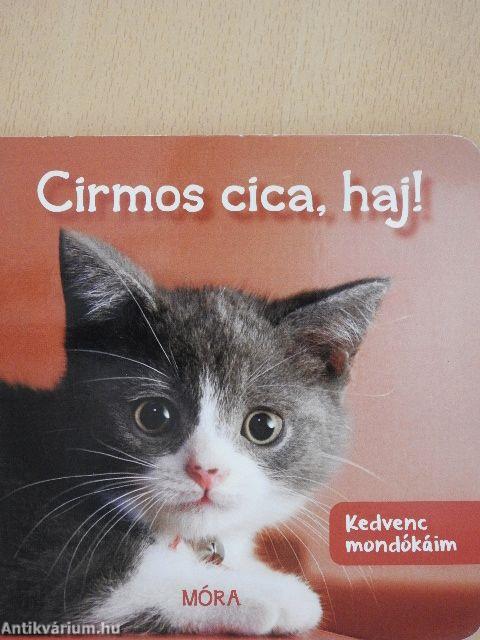
Cirmos Cica Haj: A Cornerstone of Hungarian Children's Cultural Heritage
In the rich tapestry of Hungarian culture, few elements are as cherished and universally understood as its traditional children's songs, known as
Gyermekdalok. These melodies are more than just tunes; they are foundational building blocks of language, identity, and shared memory, passed down from generation to generation. Among these treasured pieces,
Cirmos Cica Haj stands out as a particular highlight, a playful and memorable ditty that has captivated the hearts of countless Hungarian children and their families for decades. It's a song that evokes a sense of nostalgia for adults and sparks joy and curiosity in youngsters, embodying the simple, yet profound, essence of childhood.
The importance of
Cirmos Cica Haj and similar *Gyermekdalok* cannot be overstated. They serve as early educators, introducing children to the rhythms of their native tongue, expanding their vocabulary, and often teaching basic concepts or moral lessons through engaging narratives. The very act of singing these songs fosters a sense of community, whether it's a family singing together in the living room or a chorus of children in a kindergarten. It's a cultural touchstone that connects individuals to a broader heritage, ensuring that the unique spirit of Hungarian childhood endures through its vibrant musical traditions. This article will delve into the enduring appeal of this beloved song, its role in child development, and how its legacy continues to thrive in Hungary and beyond.
The Significance of Gyermekdalok in Early Childhood Development
Hungarian children's songs, or *Gyermekdalok*, are much more than mere entertainment. They are powerful educational tools that play a crucial role in the cognitive, linguistic, and emotional development of young children. From the very first lullabies sung by parents to the energetic rhymes chanted in playgrounds, these songs create a stimulating environment for growth.
*
Language Acquisition: Songs like
Cirmos Cica Haj provide an accessible and enjoyable way for children to internalize the sounds, rhythms, and vocabulary of the Hungarian language. The repetitive nature of many *Gyermekdalok* aids in memorization and pronunciation, making complex linguistic structures easier to grasp. Children learn new words in context, improving their overall comprehension and expressive abilities.
*
Cognitive Development: Remembering lyrics and melodies enhances memory skills. Following simple narratives within songs helps develop sequential thinking and imagination. Many songs also involve counting, identifying colors, or recognizing animals, thus subtly introducing early academic concepts.
*
Emotional and Social Growth: Singing together fosters a sense of belonging and teaches cooperation. Group singing encourages empathy and shared joy. Lullabies offer comfort and security, strengthening the bond between parent and child. Even playful songs can help children process emotions or explore different roles.
*
Motor Skills: Often, *Gyermekdalok* are accompanied by hand gestures, movements, or dances. This integration of music and motion helps develop fine and gross motor skills, coordination, and body awareness. Such physical engagement makes the learning process dynamic and fun.
The impact of these songs extends beyond individual development, contributing significantly to the cultural fabric of Hungarian society. They are a communal heritage, shared across generations, providing a common ground for understanding and connection.
What Makes "Cirmos Cica Haj" So Enduringly Popular?
While the specific lyrics (or
dalszöveg) of
Cirmos Cica Haj weren't provided in the reference, its widespread popularity strongly suggests certain universal qualities found in the best children's songs. Generally, such enduring tunes share common characteristics that resonate deeply with young audiences and their parents alike.
*
Relatable Themes: Most beloved children's songs revolve around themes that are immediately understandable and engaging for kids. Animals, especially pets like cats (
cica), are universally appealing. A playful narrative, perhaps about a cat's adventures or daily life, provides a simple story arc that captivates young imaginations. This relatability is a key factor in why children readily adopt and repeat these songs.
*
Catchy Melody and Simple Structure: A memorable tune is paramount.
Cirmos Cica Haj likely features a melody that is easy to hum, sing along to, and recall. Simple, repetitive musical phrases are hallmarks of successful children's music, allowing even very young listeners to quickly learn and participate. The structure is often verse-chorus-verse, building familiarity and anticipation.
*
Rhythmic Appeal: Children are naturally drawn to rhythm. The beat of
Cirmos Cica Haj is probably distinct and perhaps encourages movement, clapping, or bouncing. A strong, clear rhythm aids in language development by helping children parse words and syllables, and it also makes the song more dynamic and fun.
*
Interactive Potential: Many popular *Gyermekdalok* invite interaction. This could involve mimicking animal sounds, performing simple actions related to the lyrics, or engaging in call-and-response elements. Such interactivity transforms passive listening into active participation, deepening a child's engagement and making the learning experience more holistic.
*
Cultural Resonance: Beyond its universal appeal,
Cirmos Cica Haj holds a special place in Hungarian hearts because it is intrinsically linked to their own cultural heritage. It's a piece of home, a reflection of their language and traditions, fostering a deep sense of belonging and national identity from a young age. To explore the lyrics and their meaning in more detail, you might want to read
Cirmos Cica Haj Lyrics: Your Guide to Finding the Full Dalszöveg.
The combination of these elements ensures that
Cirmos Cica Haj remains not just a song, but a vital part of the fabric of Hungarian childhood.
Bringing Hungarian Children's Songs into Modern Homes and Classrooms
In an increasingly globalized world, preserving and sharing cultural heritage is more important than ever. Hungarian children's songs like
Cirmos Cica Haj offer a wonderful avenue for both native Hungarian speakers and those interested in Hungarian culture to connect with this rich tradition. For parents, educators, and even language learners, incorporating these *Gyermekdalok* into daily life can be a highly rewarding experience.
Here are some practical tips for engaging with Hungarian children's songs:
1.
Seek Out Authentic Resources: Look for recordings by Hungarian artists, animated videos that illustrate the songs, or children's books that feature lyrics. Websites dedicated to *Gyermekdalok* often provide both audio and text, which is invaluable. For a general understanding, you can refer to
Cirmos Cica Haj: An Overview of the Popular Children's Tune.
2.
Learn the Lyrics and Translations: While immersing oneself in the original Hungarian is ideal for language learning, having a translation can greatly enhance understanding and appreciation of the song's story or message. Many online resources offer translations of popular *Gyermekdalok*.
3.
Sing Along Together: The most effective way to engage with these songs is to sing them. Don't worry about perfect pronunciation initially; focus on enjoying the process. Children learn best by example and participation. Make it a family activity during car rides, meal prep, or bedtime routines.
4.
Add Actions and Movement: As mentioned, many Hungarian children's songs are accompanied by gestures or simple dances. Incorporating these actions makes the experience more tactile and memorable, especially for younger children. If no specific actions are known, invent your own!
5.
Integrate into Playtime: Use the themes of songs in creative play. If
Cirmos Cica Haj is about a cat, bring out cat puppets or draw pictures of cats while listening to the song. This reinforces the vocabulary and narrative in a fun, natural way.
6.
Connect with Cultural Events: Many Hungarian communities around the world host cultural events, folk festivals, or children's programs that feature traditional songs and dances. Participating in these events can provide a deeper appreciation and a sense of community.
7.
Utilize Digital Platforms: YouTube, Spotify, and other streaming services host numerous compilations of *Gyermekdalok*. Create playlists for easy access and consistent exposure.
By actively integrating these songs, families and educators can ensure that the beautiful legacy of Hungarian children's music continues to flourish, enriching the lives of children and connecting them to their vibrant heritage.
The Enduring Legacy of "Cirmos Cica Haj"
The journey through the world of Hungarian children's songs reveals a vibrant tradition that is deeply interwoven with the nation's identity.
Cirmos Cica Haj, as a prominent example, embodies the charm, simplicity, and educational power that make *Gyermekdalok* so special. It's a melodic bridge connecting generations, a playful teacher of language and values, and a heartwarming reminder of the joy of childhood. Its widespread recognition and cherished place in Hungarian homes and nurseries affirm its role not just as a song, but as a vital piece of cultural heritage. As new generations discover its simple beauty, the timeless melody of
Cirmos Cica Haj will undoubtedly continue to resonate, proving that some traditions, especially those sung from the heart, truly last forever.